Workforce Campuses
Turning Places Into Pathways
Skills Opportunity Foundation partners with communities, public agencies, nonprofits, employers, and property owners to transform underused land and facilities into hands-on environments where people can learn skills, gain experience, and build pathways into meaningful careers.
A farm can become a classroom.
A workshop can become a training center.
A construction project can become an opportunity to learn a trade.
A different kind of workforce development
Learn by Doing
SOF's Workforce Campus model brings training out of the classroom and into real-world environments.
Participants can gain practical experience while working alongside qualified instructors, employers, tradespeople, agricultural professionals, community organizations, and apprenticeship partners.
- Construction & Carpentry
- Agriculture & Food Production
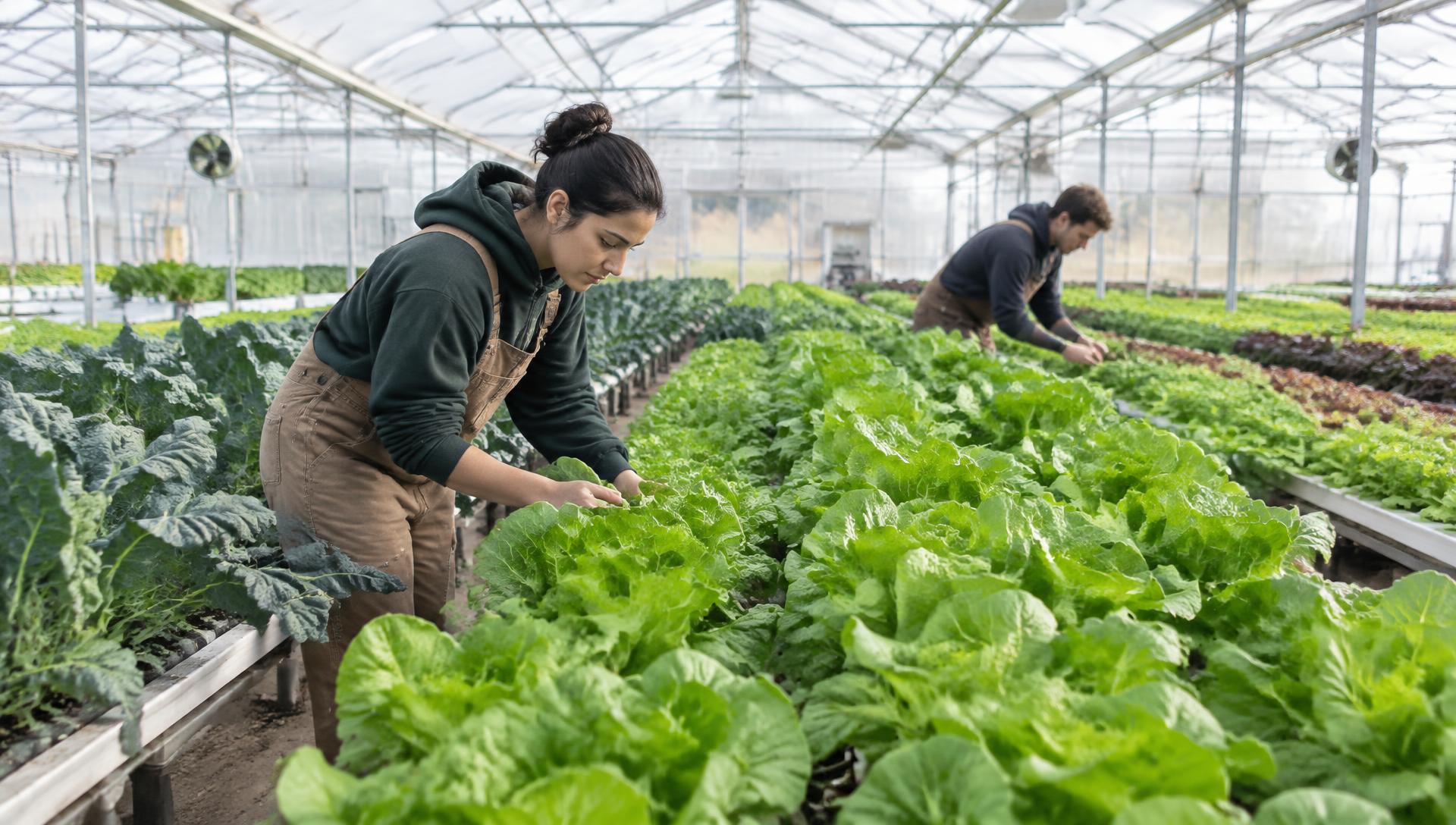
- Greenhouse & Controlled-Environment Agriculture
- Equipment Operation
- Landscaping & Grounds Maintenance
- Building & Property Maintenance
- Irrigation & Water Systems
- Conservation & Environmental Restoration
- Trail & Recreational Infrastructure
- Renewable Energy & Sustainability
- Entrepreneurship & Small Business
The model
Learn While Building Something That Matters
- Underused Property
- SOF Partnership
- Hands-On Training
- Credentials & Apprenticeship Pathways
- Employment
Whenever possible, participants work on projects with lasting community value.
That could mean restoring a farm building, constructing agricultural infrastructure, establishing a greenhouse, improving trails, installing irrigation, maintaining public land, growing food, restoring habitat, or developing facilities that will serve future participants.
People gain skills.
Properties improve.
Communities gain useful infrastructure.
Employers gain workers with practical experience.
Agriculture
A Farm Is More Than a Farm
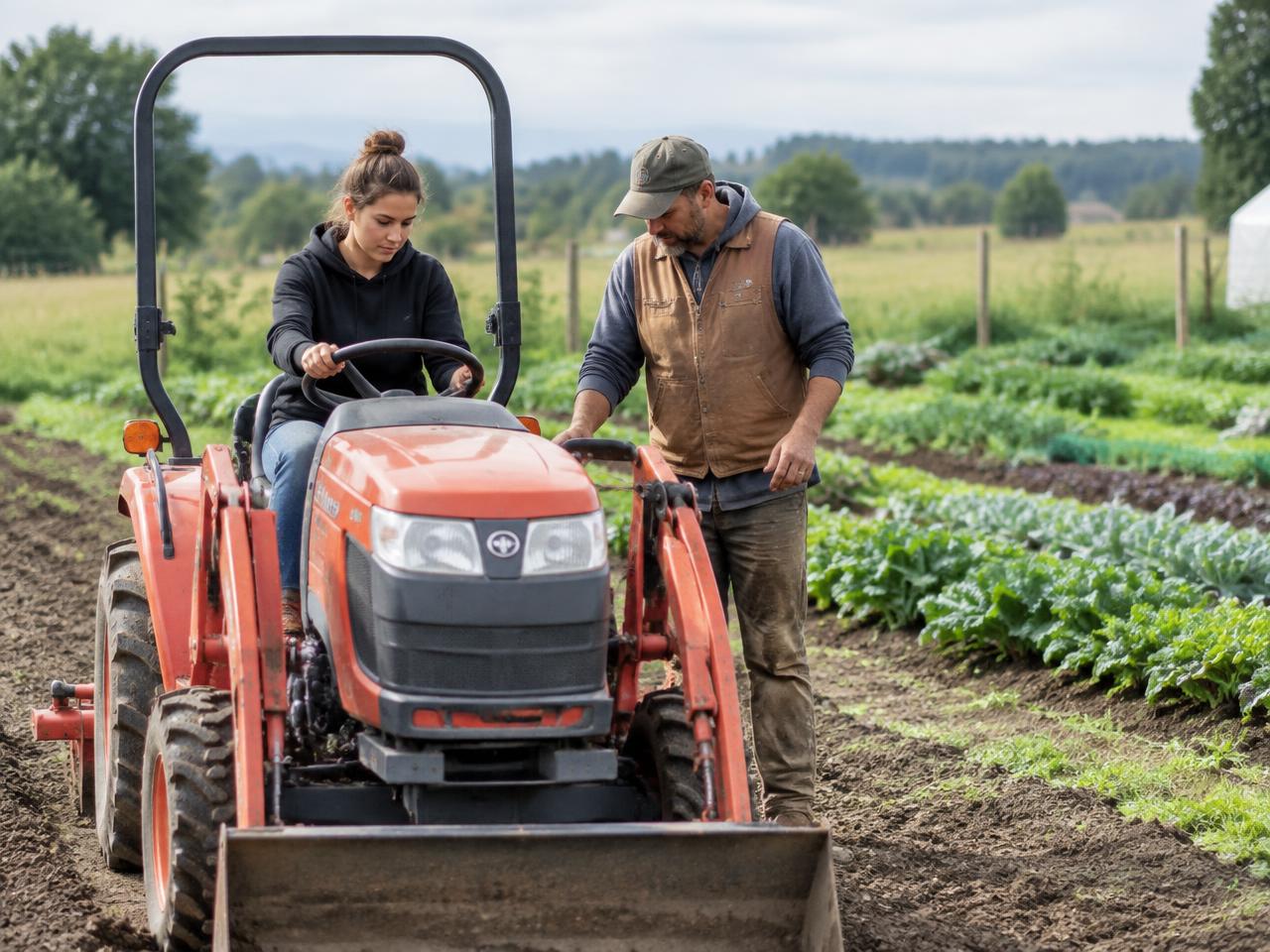
Farms offer an extraordinary environment for hands-on workforce development because operating a farm requires far more than farming.
A working agricultural campus can expose participants to a wide range of skills and career pathways:
- Construction
- Equipment operation
- Mechanics
- Irrigation
- Electrical systems
- Plumbing
- Greenhouse technology
- Landscaping
- Conservation
- Logistics
- Food systems
- Business operations
- Property management
SOF helps communities look at agricultural properties differently: not simply as land to maintain, but as living laboratories for education, employment, conservation, and economic opportunity.
Real-world capability
Built From Real-World Experience
The SOF model is informed by the practical experience of our leadership in developing complex agricultural and community projects involving greenhouse systems, hydroponics, aquaponics, food production, construction, property improvement, workforce development, volunteers, community partnerships, and project management.
Transforming a property requires more than a good idea.
SOF brings these pieces together around workforce development and measurable community impact. See the full range of SOF's capabilities.
- Planning
- Partnerships
- Funding
- Sustainability
Partnership
Partnership, Not Property Acquisition
Communities do not necessarily need to build new workforce centers. Sometimes the opportunity already exists.
- Publicly owned farms and land
- Parks and conservation properties
- Nonprofit campuses
- Agricultural facilities
- Vacant or underused buildings
- Community facilities
- Educational properties
- Properties requiring rehabilitation or long-term stewardship
SOF works with property owners and community partners to explore appropriate uses while respecting ownership, conservation requirements, agricultural purposes, public responsibilities, and community priorities.
Possibilities
What Could This Property Become?
Every property presents different opportunities. SOF starts with the land, facilities, community needs, workforce demand, and mission of the property owner, then helps identify what is possible.
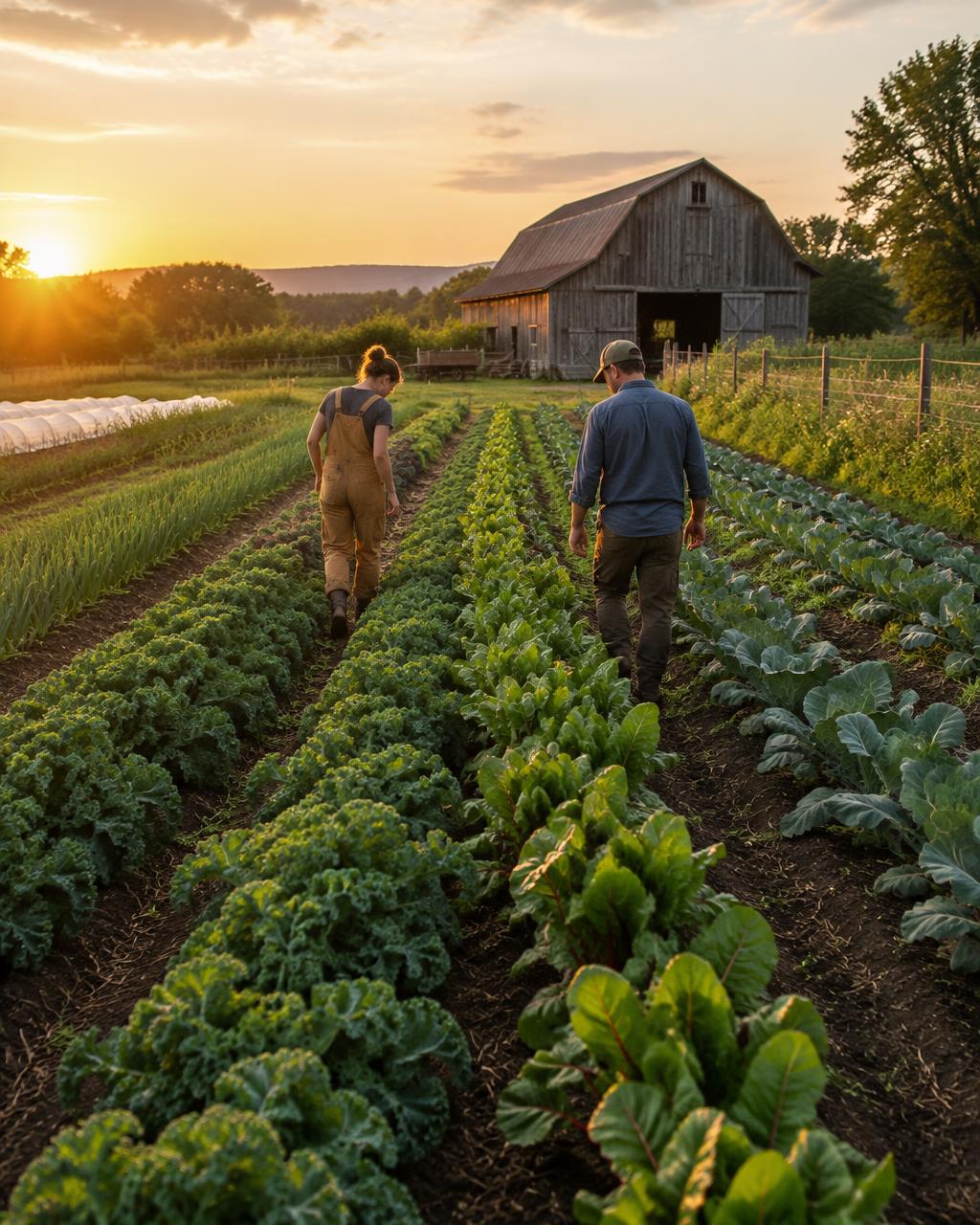
Working Farm
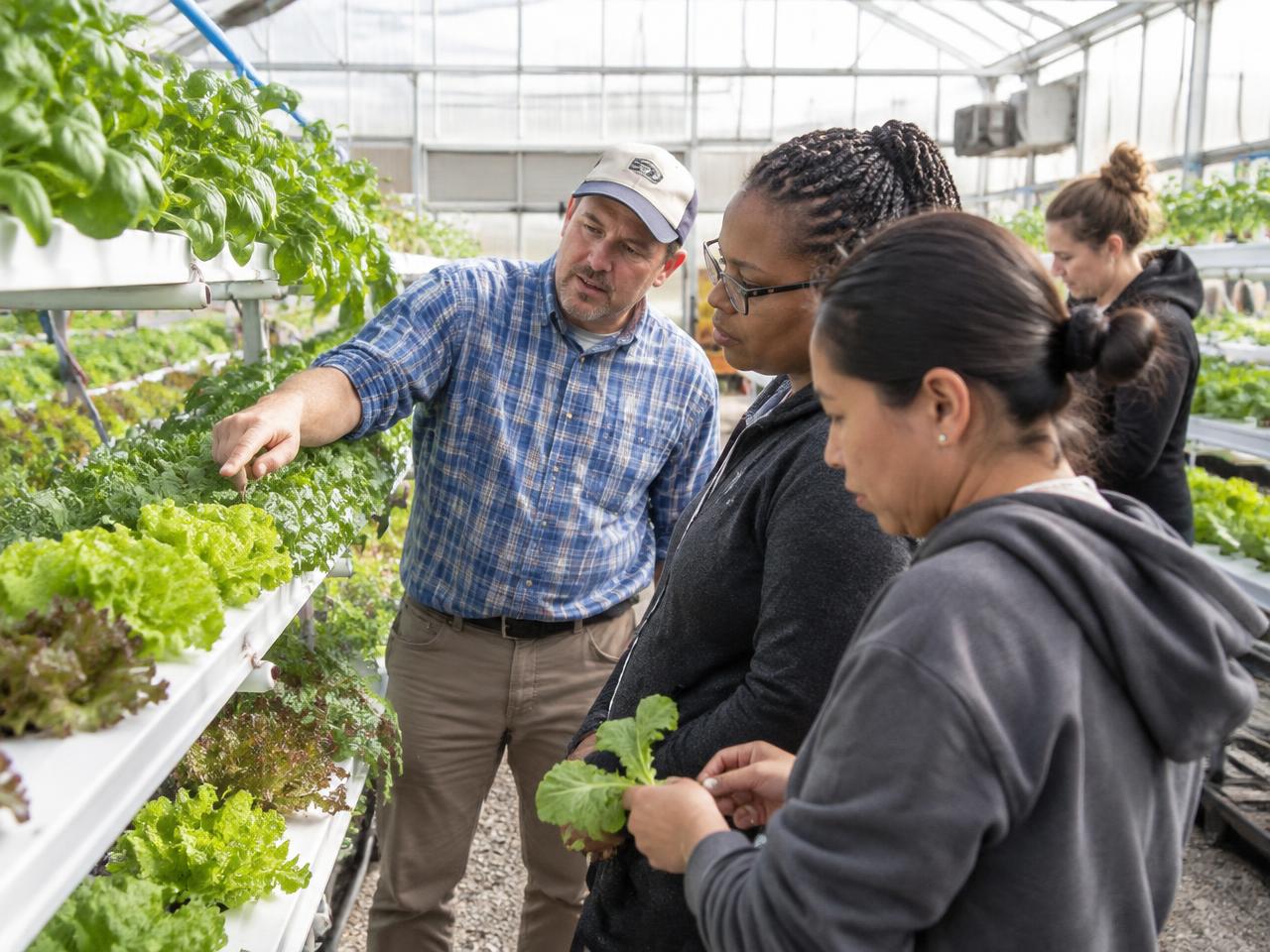
Greenhouse
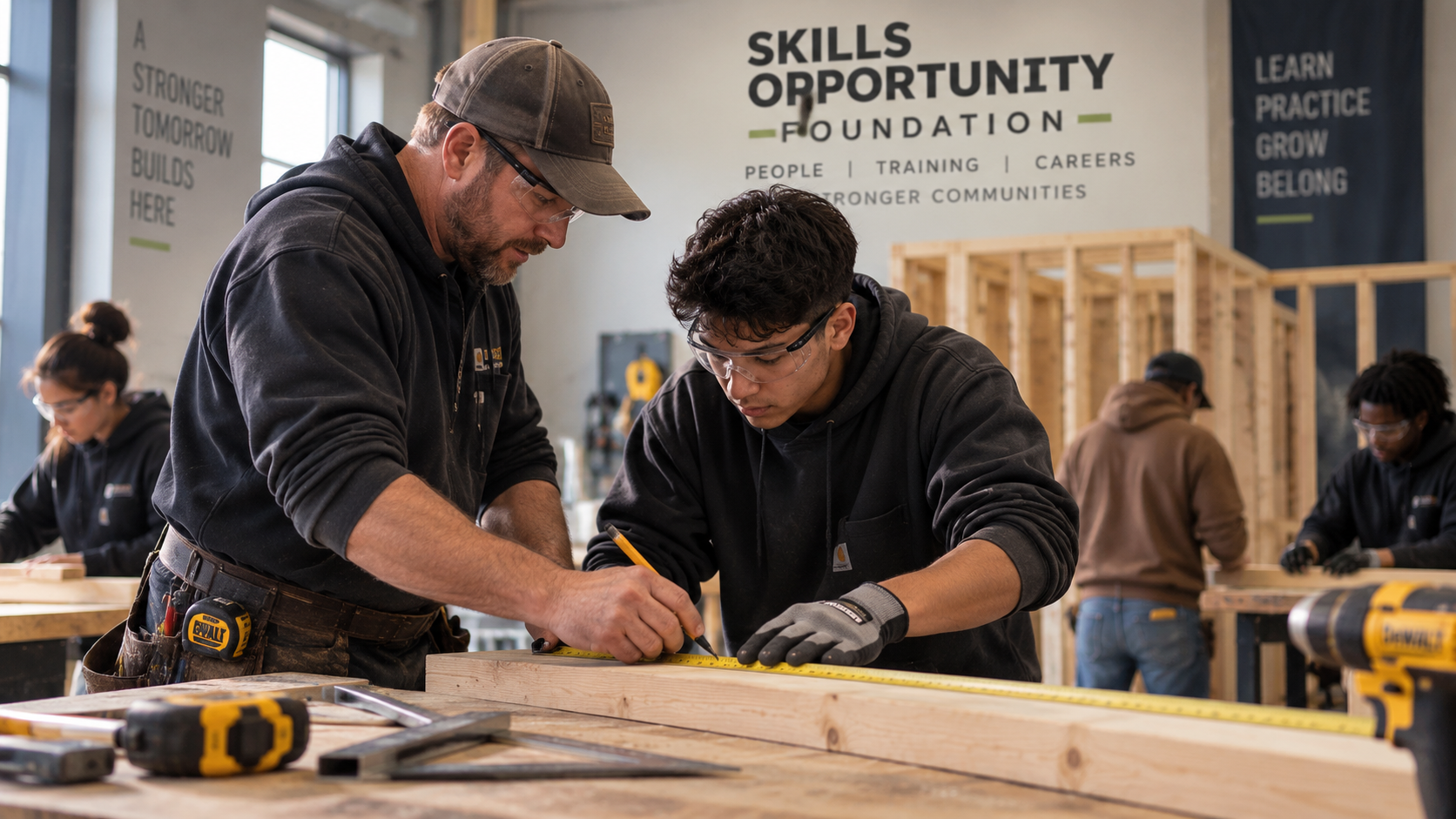
Skilled Trades Workshop
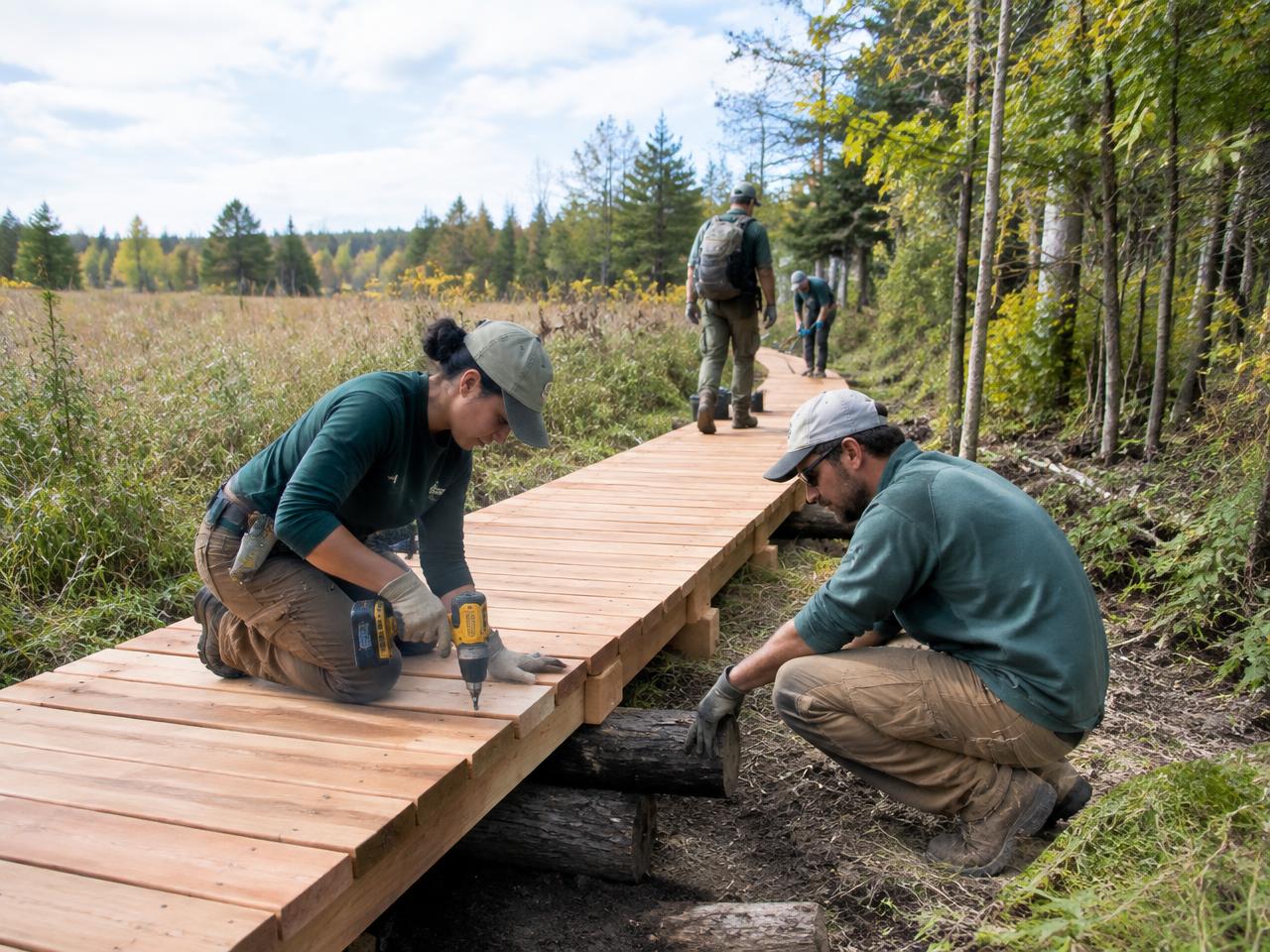
Conservation Training Site
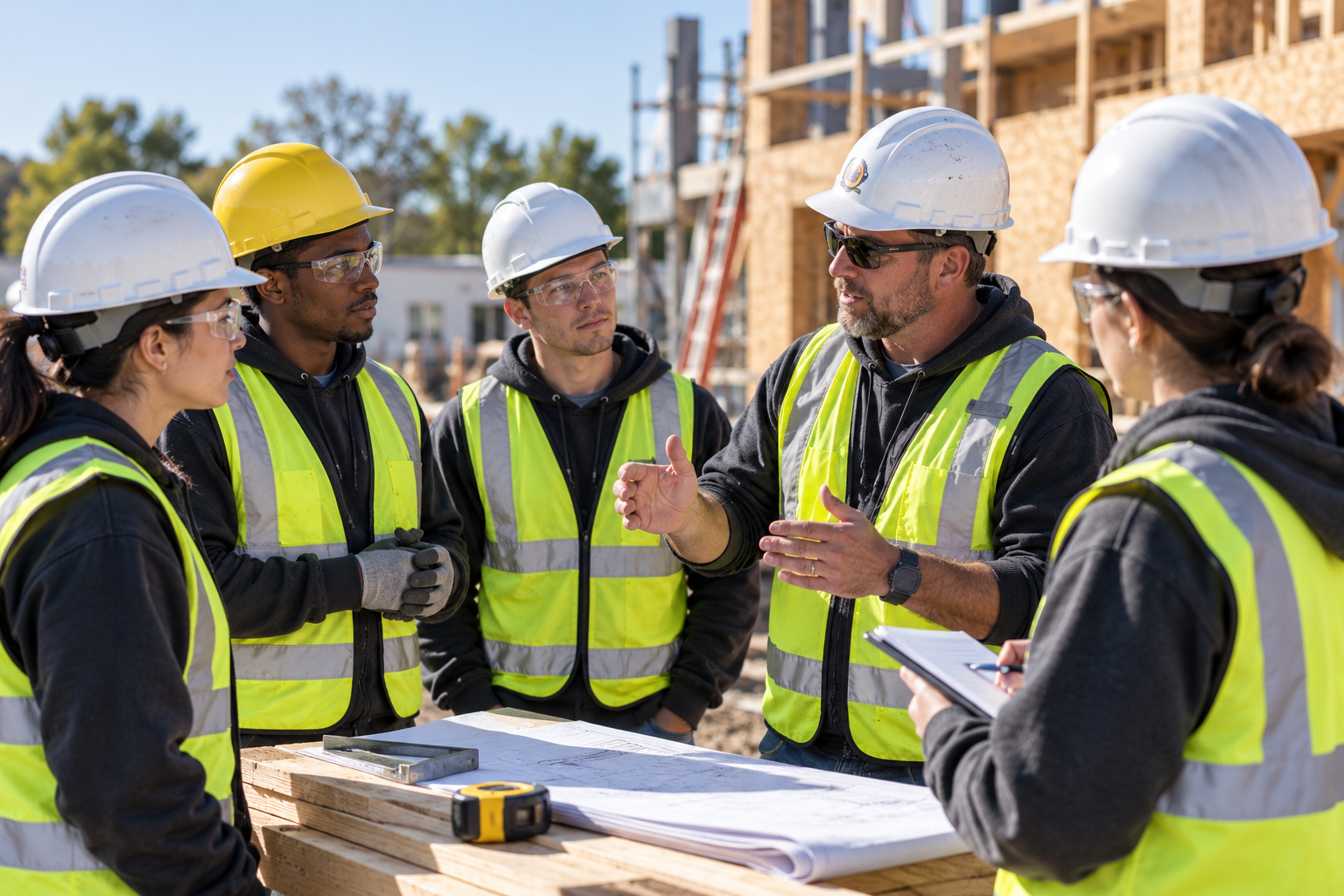
Construction Training
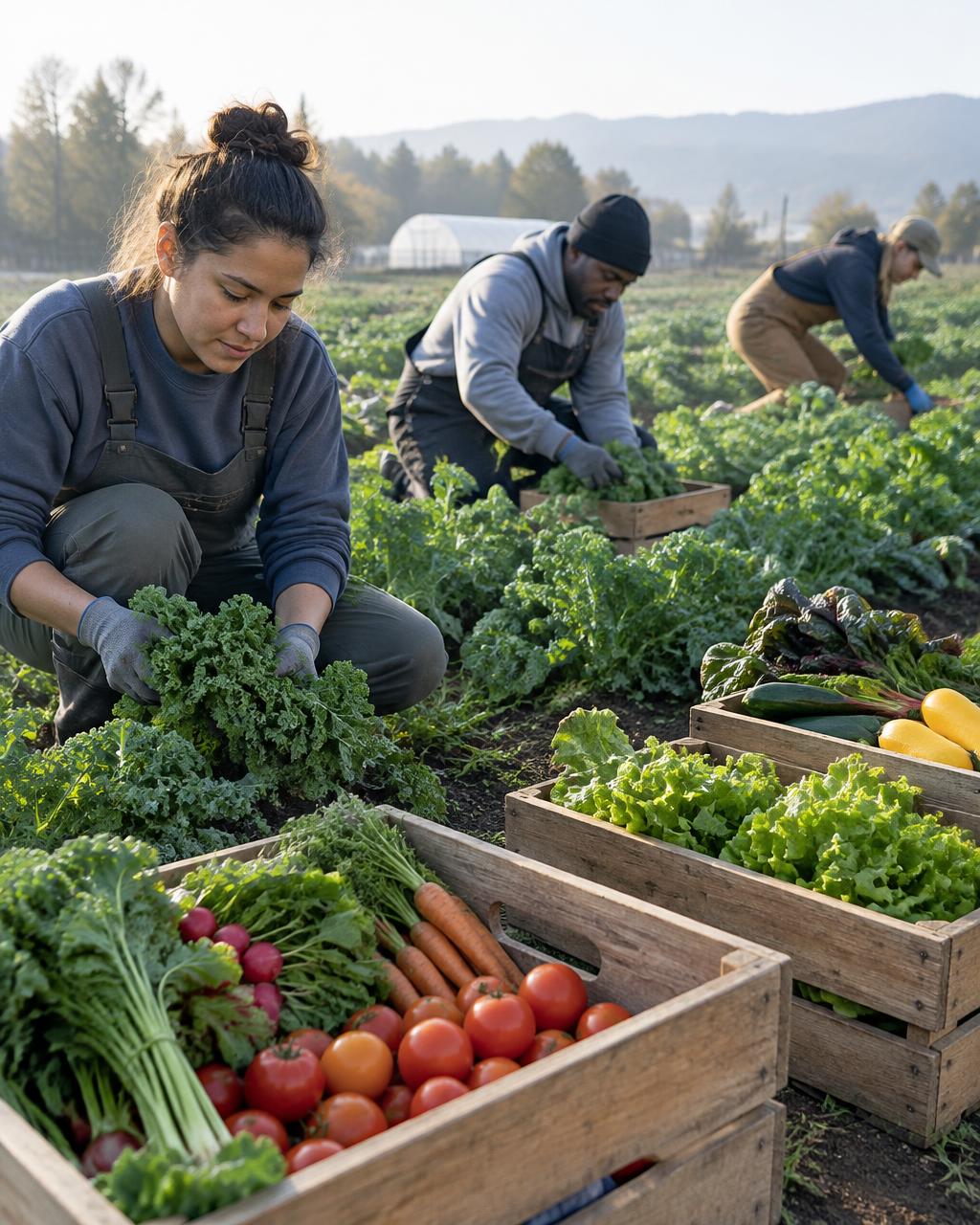
Community Food Production
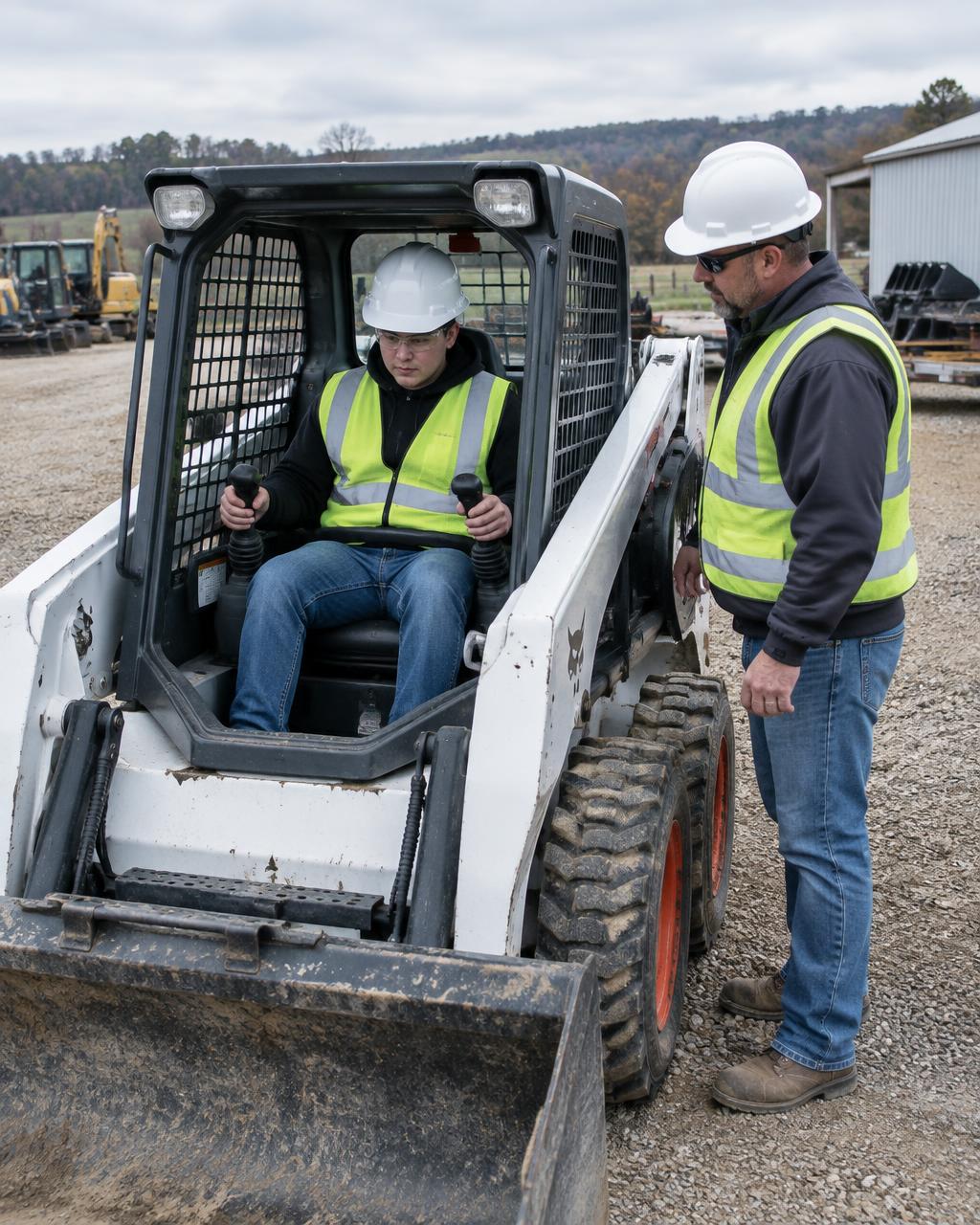
Equipment Training
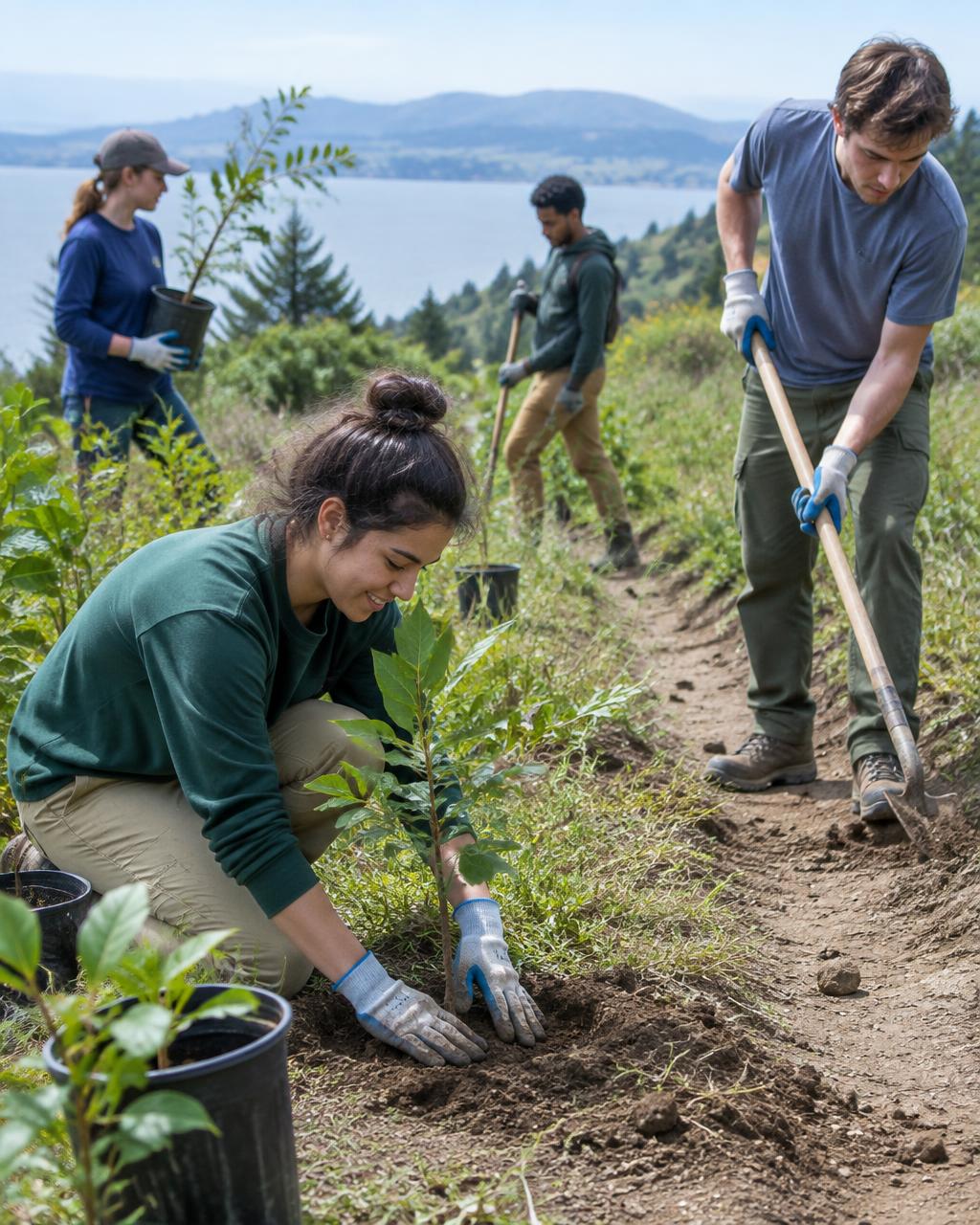
Trail & Land Stewardship
Our approach
From Vision to Workforce Campus
- 01
Listen
Understand the property, mission, community and existing needs.
- 02
Assess
Evaluate facilities, land, workforce opportunities, employers, restrictions and resources.
- 03
Design
Develop a practical workforce development concept and phased implementation plan.
- 04
Partner
Connect employers, apprenticeship programs, educators, community organizations and funding opportunities.
- 05
Build
Use real projects to create hands-on learning opportunities and improve the property.
- 06
Grow
Develop a sustainable workforce ecosystem that can serve future participants.
Workforce Campuses connect to SOF's pre-apprenticeship training and employer partnerships.
Have Land. Build Opportunity.
If your municipality, park district, nonprofit, educational institution, farm, or community organization has property that could serve a greater purpose, we'd like to hear about it.
Your next workforce development center may already be there.